links


Illustrated cahier, documenting long distance relations via Skype, messenger and mail, 2017


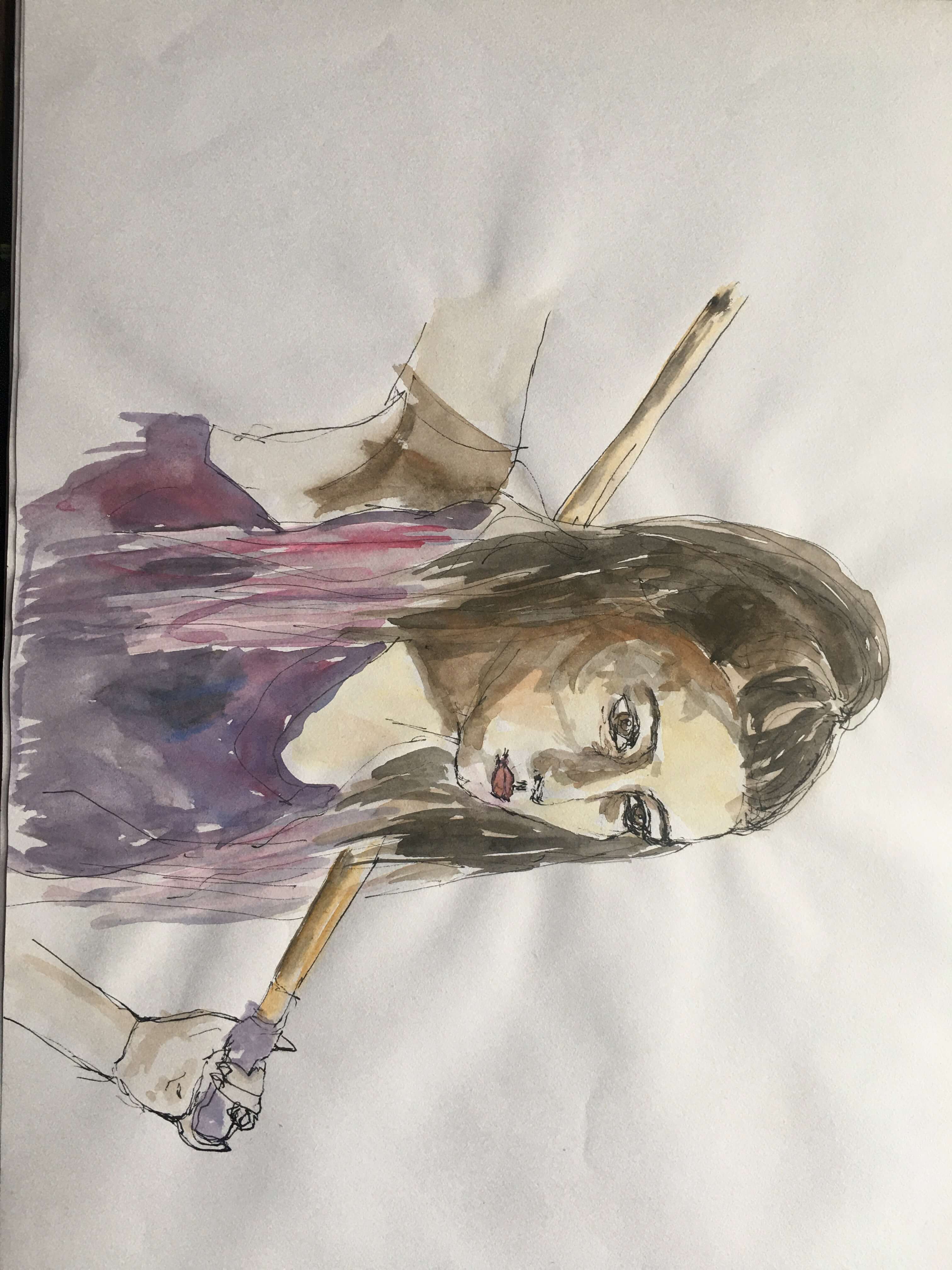
Antiheros 2016/17


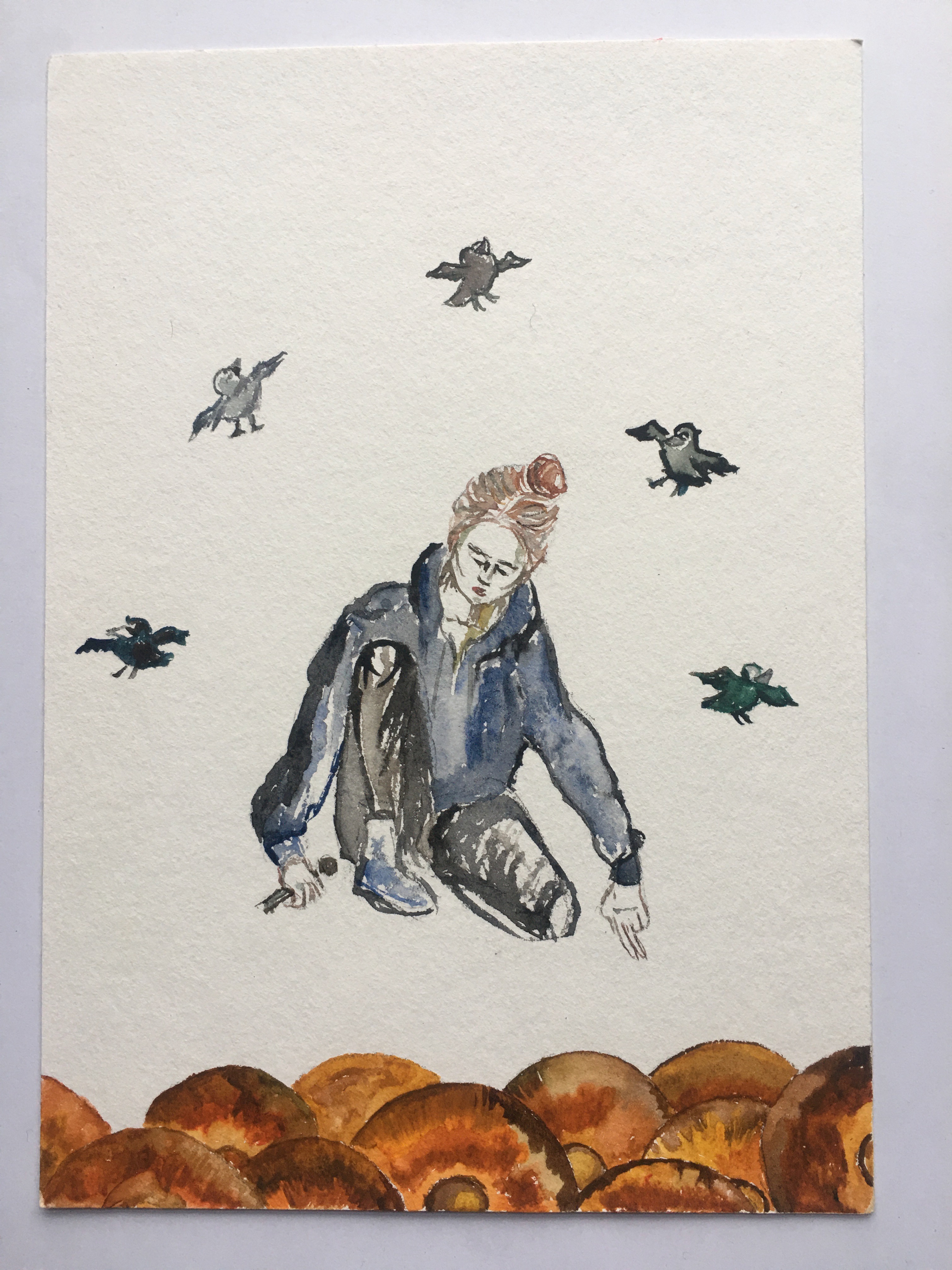

Family, lovers, birds 2016/17
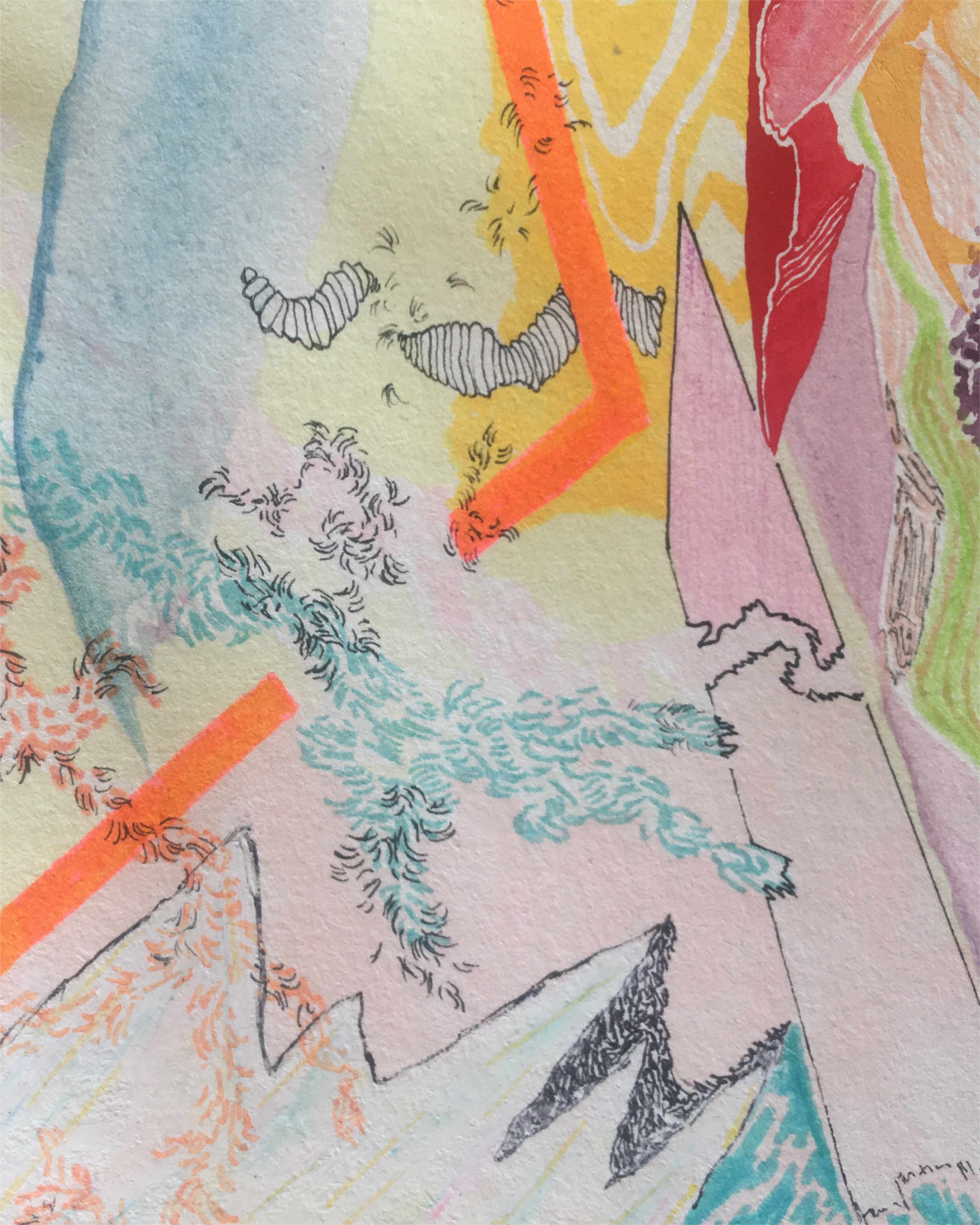


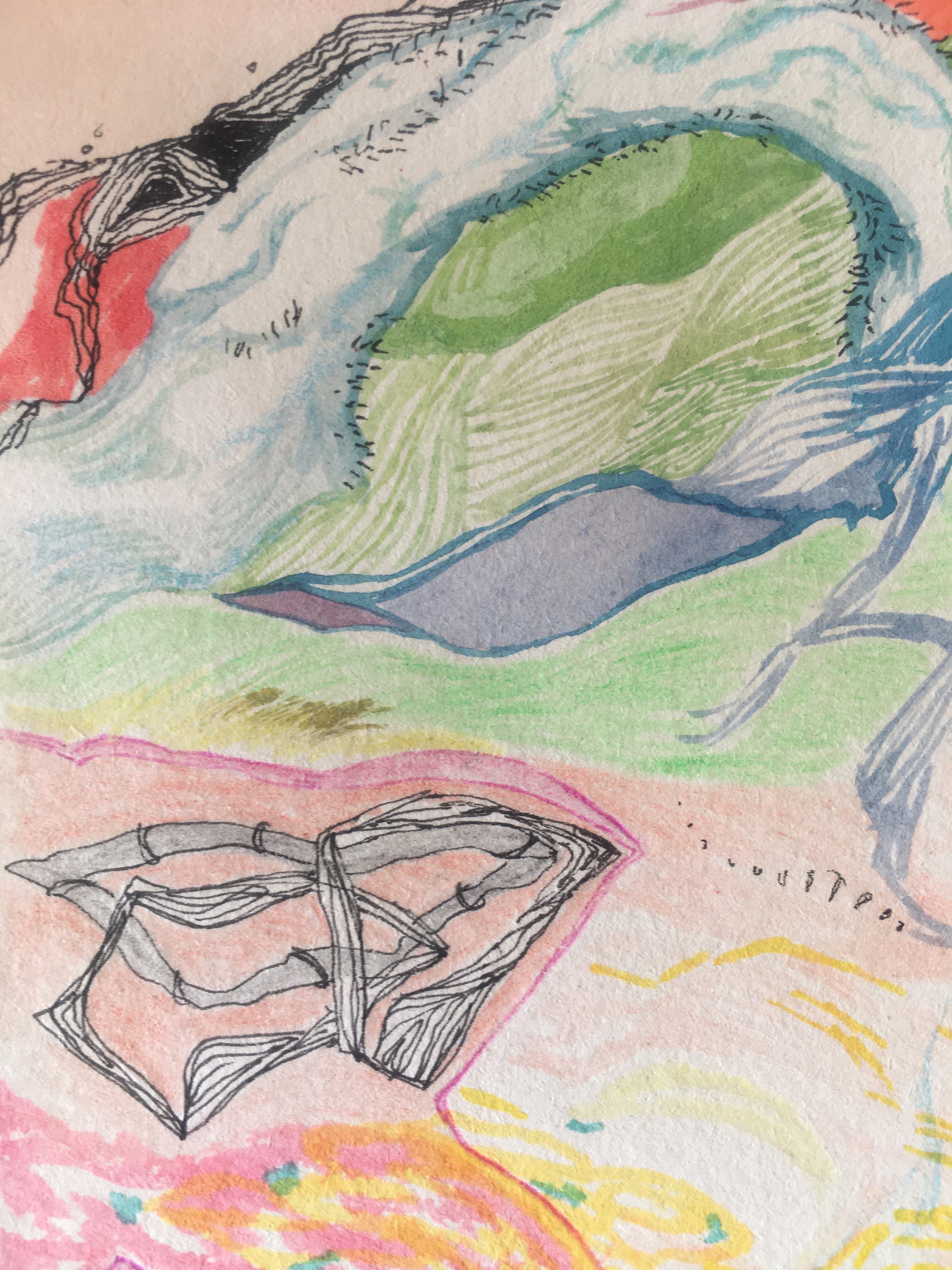


When a tadpole is growing into a frog, its electromagnetic field already holds the information of its legs and body shape. In the essay ‘TransMaterialities’ , Karen Barad refers to a (cruel) experiment,where the electromagnetic field of tadpoles were changed by scientists, which resulted in them growing additional limbs, eyes in different places and other bodily mutations. Following this experiment, scientists concluded that tadpole bodies do not have fixed or defined borders. They carry their suggested futures, just as our DNA, bones and cells carry our inherited pasts, eventually manifesting anew in future times to come. The space in the air, for tadpoles at least, is sensible, intelligent, loaded with information and very much subject to intervention, interaction, and, as the experiment shows, open, porous, vulnerable and corruptible. Space is a part of the process of being, likewise it is part or the extension of beings. Space is oftentimes thought as filled with unlimited potential and possibilities. Yet the tadpoles are connected to space, as space is connected to them, from material (the body of the tadpole) to immaterial (the electromagnetic field of the tadpole) and across timelines. Space is specific enough to carry planted seeds for futures, while those are not necessarily fixed. For it to become a frog in the future, space needs be strong enough to carry information and at the same time remember how a frog is created. What is a future vision is also a memory. Such operation of space could be seen as a form of a creative, spatial training. When training starts in the brain, and something new (or old) is learned, neurones craft new pathways. The brain changes. Being enters the space, and the space enters being.


.png)
.png)


.png)
